
"coffee climate needs"
8000 article(s) found

A brief introduction to the cultivation of Panamanian Flower Butterfly Fine Coffee beans, Geographic location, Climate and altitude
Panama is a small country located in the center of the American continent. The waters of the Atlantic and Pacific oceans flood its beaches. Panama is located at 9 degrees north latitude, the meeting point of the Central Mountains, where Mount Baru, one of the highest volcanoes in Central America, is located. Baru volcano has an altitude of more than 11400 feet, and the land around it is rich in nutritious and fertile soil, which is unique to Panama.
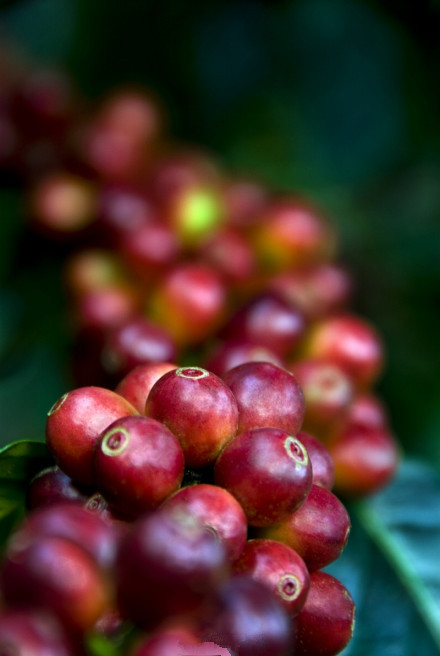
Coffee crisis with tricky tastes and fragile varieties
The price of coffee is forecast to rise by 25% by 2050. The livelihoods of 25 million people may depend on whether scientists can find a way to protect fragile coffee plants and berries. A whole year's coffee harvest may depend on the florescence of just a few days, when plants are particularly vulnerable to extreme weather. Last year, coffee leaf rust caused coffee farms in Nicaragua

What kind of weather conditions do you need to grow coffee beans? which countries have natural bars for growing coffee trees?
At present, coffee has been grown in more than 50 countries in the world, but most of the good coffee beans are concentrated in the equatorial zone between 25 degrees north latitude and 30 degrees south latitude, high altitude, tropical climate and fertile soil. in order to grow full-grained, coffee-rich high-quality coffee beans. Coffee beans are grown all over the world, mainly in Brazil, Colombia, Indonesia and Vietnam.

A brief introduction to the flavor, taste and aroma characteristics of Hawaiian Kona Coffee
Kona Coffee is fresh, crisp, medium-bodied, slightly sour and full-bodied, with a long finish. Most rarely, Kona Coffee has a blend of wine, fruit and spice, as fascinating as the colorful colors of this volcanic archipelago. Generally speaking, the taste of Kona coffee is relatively mild.

A brief introduction to the treatment method of grinding degree and baking degree of half-sun red bourbon El Salvador Himalaya coffee
Salvadoran coffee inherits the mild quality of Sino-American coffee, which is soft, slightly sour and has a beautiful sweetness. At the same time, it also has its own characteristics: the aromatic taste is slightly sour and very soft; it is pure and has no miscellaneous flavor, and the taste balance is excellent; the smooth feeling like cream chocolate is impressive; the dense feeling of coffee in the mouth gives the coffee a deep and long taste.

What conditions do coffee trees need to meet to grow well? How to plant coffee trees?
Professional coffee knowledge exchange more coffee bean information please follow the coffee workshop (Wechat official account cafe_style) what conditions do coffee trees need to meet to grow well? How to plant coffee trees? The development of rainfall coffee needs sufficient moisture, the annual rainfall should be at least 1000 mm, and the maximum should not exceed 3000 mm. The rainfall should not be excessive or moderate, if the sauce is too much for a while.

Coffee market in the hometown of coffee needs to be improved.
Recently, Dehong Dai Jingpo Autonomous Prefecture openly solicited opinions from the public on the draft regulations on the development of the coffee industry.

Introduction to Santa Ana Yunxiao Wonderland Manor in El Salvador
Professional Coffee knowledge Exchange more information about coffee beans Please follow the experience of traveling in the coffee workshop (official Wechat account cafe_style) has given rise to this new product: cold coffee in Wonderland. The feeling of being in Wonderland is used in coffee, clear, sweet, soft and balanced. So when I came back, I began to look for beans. Sweet beans that need to be insolated are better, and soft ones need a good climate.

Source characteristics of Nicaraguan coffee beans flavor and taste of Nicaraguan coffee beans
Following Cafe Review (Wechat public account vdailycom) found that good Cafe opened its own shop Nicaraguan Coffee beans Nicaragua is located in central Central America, it is bordered by the Pacific Ocean to the west and the Caribbean Sea to the east. The highlands in the north and the coastal plains in the east are part of the Central American volcanic belt. The eastern plain is high-temperature and rainy, with a tropical maritime climate. A suitable climate for

Panamanian Flower Butterfly Fine Coffee beans with good cleanliness A brief introduction to the geographical location, climate and altitude
In Poquet's unique planting environment, there is naturally not only the rose summer of emerald, the king of coffee, regardless of flavor, quality and value, but I think it is quite extravagant to drink rose summer every day, and even if there is no economic pressure, it is not like eating shark's fin and bear's paw every day. The same is true of coffee. It is necessary to dabble in a wide range of subjects in order to enjoy the taste of coffee.

The growing environment of Hawaiian Kona Coffee where does Hawaiian Kona coffee come from? Kona, Hawaii
The good quality of Kona coffee should be suitable for the right geographical location and climate. Coffee trees grow on the slopes of volcanoes, and their geographical location ensures the altitude needed for coffee to grow; the dark volcanic ash soil provides the necessary minerals for coffee. This is probably due to the fact that Kona Island is rich in volcanic black mud with moderate acidity, rich mineral content and suitable water content. Parallel

Nicaragua Lemon Tree Manor Information material _ Lemon Tree Manor washing Catuai Coffee brewing suggestion
Professional coffee knowledge exchange more coffee bean information please pay attention to the coffee workshop (Wechat official account cafe_style) Nicaragua Plain is high temperature and rainy, belonging to tropical oceanic climate; the western coastal lowlands, the precipitation is obviously less than the eastern, and the dry and wet seasons are divided into savanna climate; the central highlands have an annual average temperature of 18 ℃, annual precipitation of 15002500 mm, May and December is the rainy season.
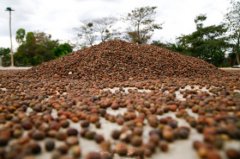
The coffee growing belt lies in the tropics between the Tropic of Cancer and the Tropic of Cancer.
Most of the coffee producing areas in the world are located in the tropics between the Tropic of Cancer and the Tropic of Cancer, which we call the coffee belt and Coffee Belt or Coffee Zone in English. As a tropical cash crop, coffee trees grow in coffee belts with excellent climatic conditions, where the sun shines all the year round, is rich in calories and Rain Water, and the annual average temperature is above 20 ℃. But the high temperature

Reveal the reason why Panamanian coffee is so popular all over the world
Global coffee production is affected by many factors, and these factors are even more important for coffee flavor: variety, planting altitude, treatment, storage, all of which are indispensable. However, there is one factor closely related to the climate. The impact of climate on coffee cultivation is more important than any of the above. I will focus on the unique atmosphere of coffee producing areas around the world.

Description of flavor and taste of Arabica coffee from the main growing areas of coffee beans in Brazil
Professional coffee knowledge exchange more coffee bean information please follow the coffee workshop (Wechat official account cafe_style) front street-Brazilian coffee cultivation introduction Brazilian coffee, generally refers to the coffee produced in Brazil. There are many kinds of coffee in Brazil. Like other Arabica coffee, Brazilian coffee is called Brazils to distinguish it from Milds coffee. Brazil is in the tropics, with tropical rain forest gas in the north.

The coffee growing belt is located in the tropics between the Tropic of Cancer and the Tropic of Cancer.
Most of the coffee producing areas in the world are located in the tropics between the Tropic of Cancer and the Tropic of Cancer, which we call the coffee belt and Coffee Belt or Coffee Zone in English. As a tropical cash crop, coffee trees grow in coffee belts with excellent climatic conditions, where the sun shines all the year round, is rich in calories and Rain Water, and the annual average temperature is above 20 ℃. But the high temperature

Elegant Yinshan Manor Fine Coffee Bean planting situation, Geographic location, Climate and altitude
The flavor of the really high-end Jamaican Blue Mountain coffee is purely clean, gentle and gentle, but this is also where blue mountain coffee is more difficult to bake, just like other beans that also come from the island. even the best Jamaican coffee grown at the highest altitude is not the highest altitude compared to other coffee grown at the highest altitude.

What are the main varieties of coffee trees? Yega Xuefei coffee.
The main types of coffee trees: the first species of Arabica is Arabica beans, which account for 70% of the world's output. The world-famous Blue Mountain Coffee and Mocha Coffee are almost all Arabica species. The other is the Robasta species, which is native to the Congo in Africa and accounts for about 20% to 30% of the world's output. Different varieties of coffee beans have different flavors.

What are the main types of coffee beans?
The main types of coffee trees: the first species of Arabica is Arabica beans, which account for 70% of the world's output. The world-famous Blue Mountain Coffee and Mocha Coffee are almost all Arabica species. The other is the Robasta species, which is native to the Congo in Africa and accounts for about 20% to 30% of the world's output. Different varieties of coffee beans have different flavors.

The impact of climate change on coffee trees and the harm that climate change brings to coffee
Professional coffee knowledge exchange more coffee bean information Please pay attention to the coffee workshop (Wechat official account cafe_style) Climate change makes the original coffee bean growing area may no longer be suitable for growing coffee beans. This may lead to a reduction in the yield of coffee beans and the quality may not be as good as it used to be. For example, the temperature at which the common Arabica coffee beans (Coffea arabica) are suitable for growth